

As Russia conducts its 72-hour “special electoral operation,” where the only real question at stake is how much the Kremlin needs to rig the results, tensions are rising on both sides of the border. The obvious question on everybody’s mind is whether and when Russia will announce mobilization.
It appears that preparations for the possible fallout of a mobilization are ongoing both on the Russian side and in Estonia. First, the FSB issued new restrictions on movement on the Russian side of the border in the Slantsy and Kingisepp districts. These areas sit on the opposite bank of the Narva River, which forms the border between Estonia and Russia.
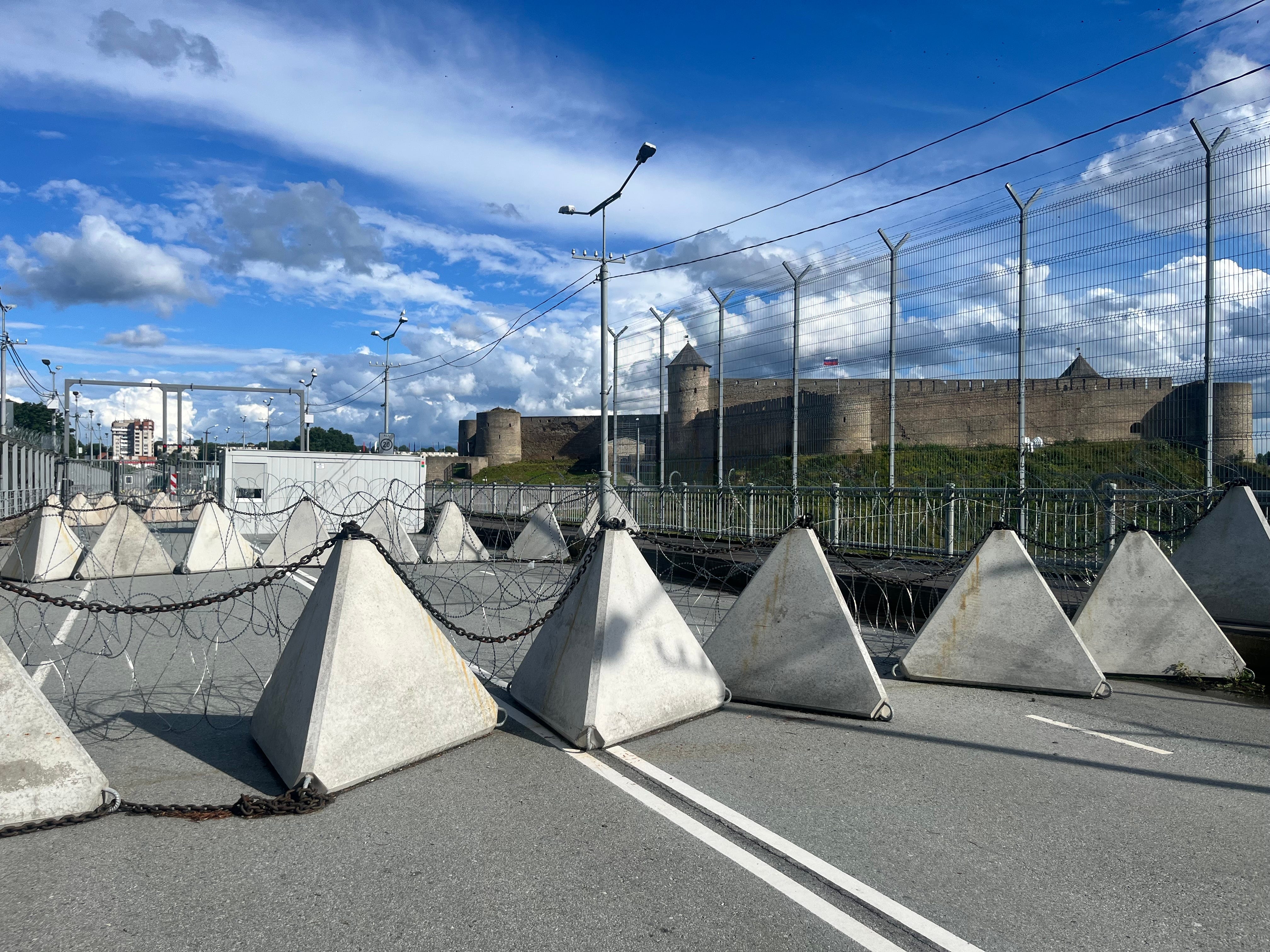
According to the FSB’s announcement, the restrictions run from September 16 to September 26 and are aimed at “preventing offenses in the border and migration spheres, as well as in the field of protection of aquatic biological resources.”
So, what are these 10-day restrictions that will allegedly help protect aquatic resources?
During this period, the following activities are prohibited:
Visiting the riverbanks or using small boats between the Cheryomukha and Kriusha rivers — two rivers flowing into the Narva River just south of the reservoir.
Hunting or carrying firearms in the Slantsy border area, as well as within the 5-kilometer border zone of the Kingisepp district.
Traveling outside settlements on foot or by vehicle after dark within the 5-kilometer border zones of both the Slantsy and Kingisepp districts.
The FSB’s excuse of environmental protection to essentially implement a nighttime curfew sounds “fishy” (pun intended!), to say the least. The timing—covering the ongoing Duma elections and the week following them—suggests that the actual reason has much more to do with preventing a possible mass exodus from the country.
On its side, the Estonian Police and Border Guard Board (PPA) is also preparing for Russia’s mobilization. Among the items on the agenda is the complete closure of border crossing points between the two countries. This was all but confirmed by Prime Minister Kristen Michal, who said this week that, depending on the threat assessment, border crossing points could be closed imminently.
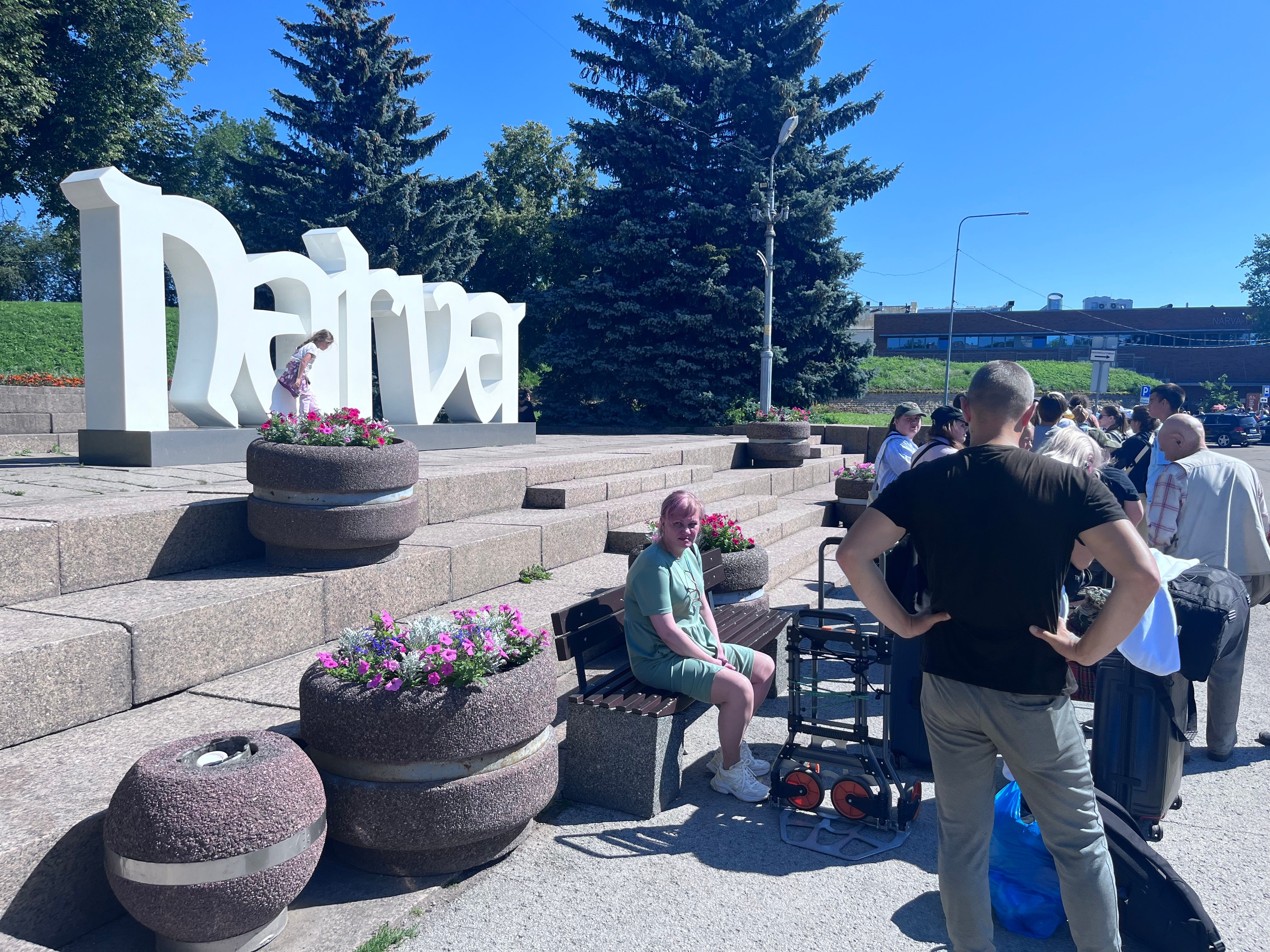
The preference, however, would be to close the points with enough notice to avoid creating chaos among the people forming the constant lines in places like Narva.
To sum it up, it’s increasingly clear that border guards on both sides of the Narva River have their sights turned in the exact same direction. The Estonian border guard is keeping a watchful eye to ensure no one enters Estonia illegally, while the Russian border guard, operating under the FSB structure, is locking down the terrain to ensure no one gets out.
Here is a quick note for my followers based in Estonia. On October 1, we are hosting a special public event at Fotografiska to discuss the current regional security situation.
I will be interviewing Kaupo Rosin, the Director General of Estonia’s Foreign Intelligence Service. It is incredibly rare for an intelligence chief like Rosin to make this kind of public appearance, making it a unique opportunity to hear his threat assessment firsthand.
In addition, my colleague Marta Vunš will sit down with our Russia expert, Ilya Ber, to unpack what people in Moscow are actually thinking, feeling, and hoping for right now. (Marta’s and Ilya’s conversation will be in English.)
To top it off, actors from the Von Krahl theater will perform dramatic readings of the “Narva is next” narrative — a trope currently running rampant across social media and mainstream English, German, and French publications.
The event is completely free. If you are in Tallinn, we would love to see you there.
You can RSVP here.
And don’t worry, I will, of course, share the best insights and takeaways from the conversations with all of you here on Substack.
One man who is ferociously sounding the alarm about the imminency of Russia’s threat is Estonia’s new Minister of Defence, General Martin Herem. While the scandal over the high-risk deal to buy artillery shells from a little-known Indian company is still reverberating and new details are emerging daily, Herem was sworn in as the new minister this week.
Herem recently served as the Commander of the Estonian Defence Forces. He stepped down from that post in the summer of 2024 saying he wasn’t able to deliver on his tasks anymore and soon joined the defense-tech startup Frankenburg Technologies as a strategic adviser. Now, the revolving door has pulled him back into public service.
Got a hint? Find me on Signal at holgerroonemaa.30.
Herem is known for his no-bullshit attitude, and he has been consistently warning of an imminent military threat to Estonia. In an interview with the public broadcaster last week, Herem stated that Russia might use military force “at X capacity” against Estonia in as little as one year. He relies on a “6+6 month” logic: the fighting in Ukraine might pause in six months, and it will then take Russia only another six months to reconstitute for a new military adventure.
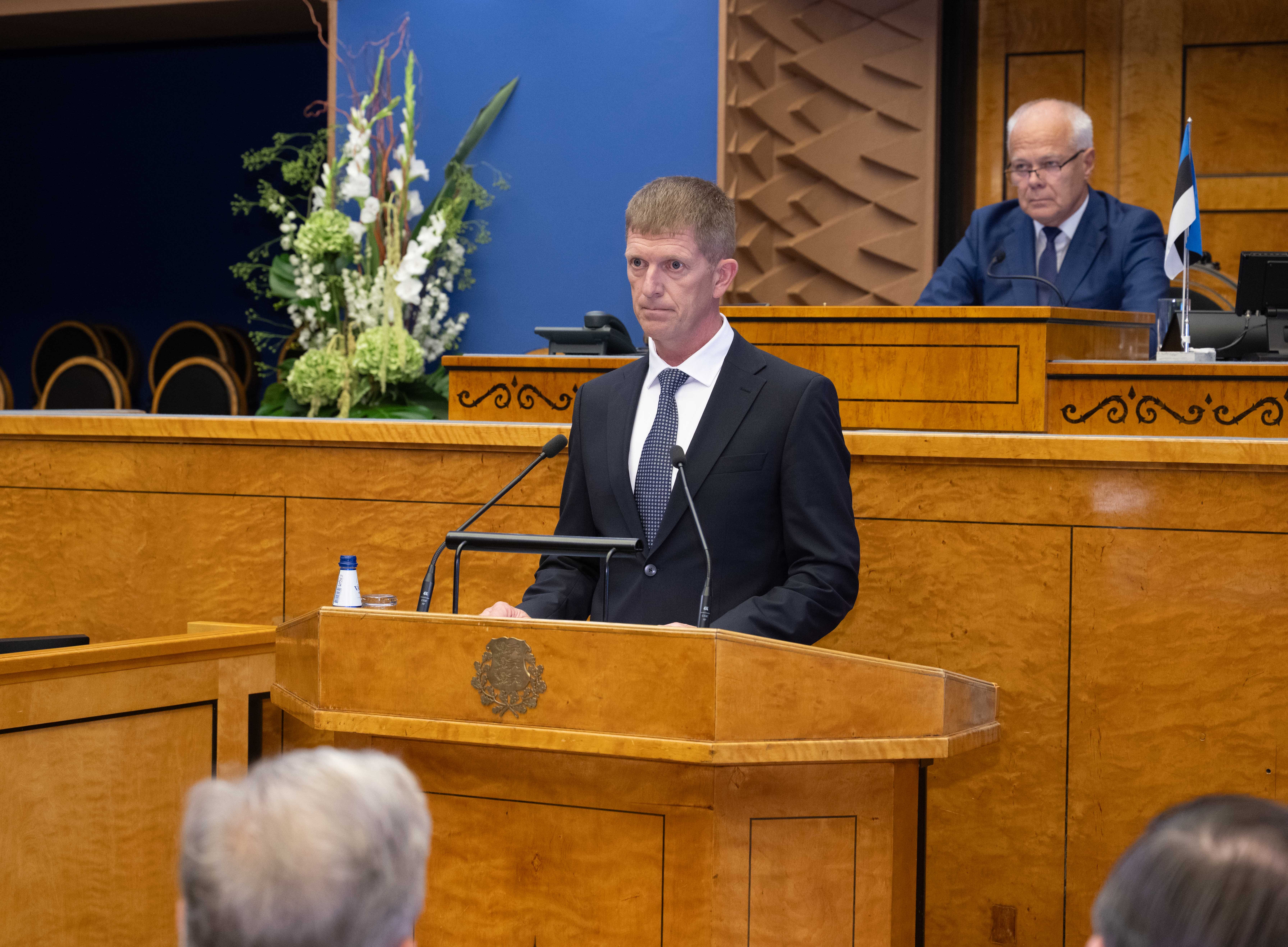
He is not being alarmist for the sake of it. He uses this sense of urgency to push for maximum preparation. “If someone says I am rushing things, I ask: what if we have three years? Not that it will necessarily come to pass, but if a favorable situation arises, Russia might exploit it. How, then, can we afford to waste six months amidst political games?” he asked my colleague in a recent Delfi interview.
Six months is also exactly the amount of time Herem will have as Minister of Defence before the upcoming parliamentary elections in March.
***
And as the final item for today’s edition of The Baltic Flank, I’d like to share a story my fellow reporter Oliver Kund and I have focused heavily on over the past four weeks.
Our reporting revealed an unexpected hiccup in relations between Ukraine and Estonia—specifically how Ukrainian MP Arseniy Pushkarenko has been trying to monopolize the allocation of Estonian recovery aid to Ukraine. The tensions flared at a meeting in Tallinn this June, where Pushkarenko insisted that Estonia commit to his personally curate list of 30 to 50 new reconstruction projects in the Zhytomyr oblast.
When his counterparts at ESTDEV, the Estonian Centre for International Development, didn’t relent, he plainly threatened them: he claimed the presumed incoming Prime Minister next spring, Urmas Reinsalu, is his personal friend, who will fire the officials and MFA diplomats and “hold them accountable.”
It’s true that Pushkarenko and Reinsalu are close, but he has built close relations with a number of Estonia’s top politicians.
It is no coincidence that Zhytomyr is the epicenter of Pushkarenko’s political activities. It is also where he still recently operated as the regional coordinator for the Servant of the People party. Our detailed reporting — based on interviews with around two dozen diplomats, state officials, and politicians, as well as memos, text messages, and other documents — showed that Pushkarenko has been handpicking projects for Estonian delegations since 2022.
“He is peddling political influence, with us as the commodity,” a key figure shaping Estonian foreign policy summed it up for us.
The events in June were the culmination of at least two years of growing tensions. By now, Pushkarenko — who is also the chair of the Ukrainian parliament’s Ukraine-Estonia friendship group — has been all but declared persona non grata in Estonia. The Prime Minister has been warned about him. The matter has been taken to the Internal Security Service (KAPO). And Estonia’s politicians and diplomats have been strongly advised not to find time for meetings with him.
Why does it matter? While not the largest contributor to Ukraine in absolute numbers, Estonia has been one of Ukraine’s staunchest supporters since before the full-scale invasion even began. This includes direct military support, recovery and reconstruction aid, and political backing on the international stage. One man’s political ego-tripping and adventurism is not going to stop that support, but it will leave a mark. Ukraine is not in a position to lose friends in Europe.
***
That’s it for this time. Thank you for reading. If you see value in our newsletter, please subscribe so you won’t miss our future editions, and of course, share it with friends and colleagues.
Until next time,
Holger