


Latvia’s parliament has appointed a new conservative government, led by political newbie Andris Kulbergs. Our Sanita Jemberga gives her analysis of what’s to come.
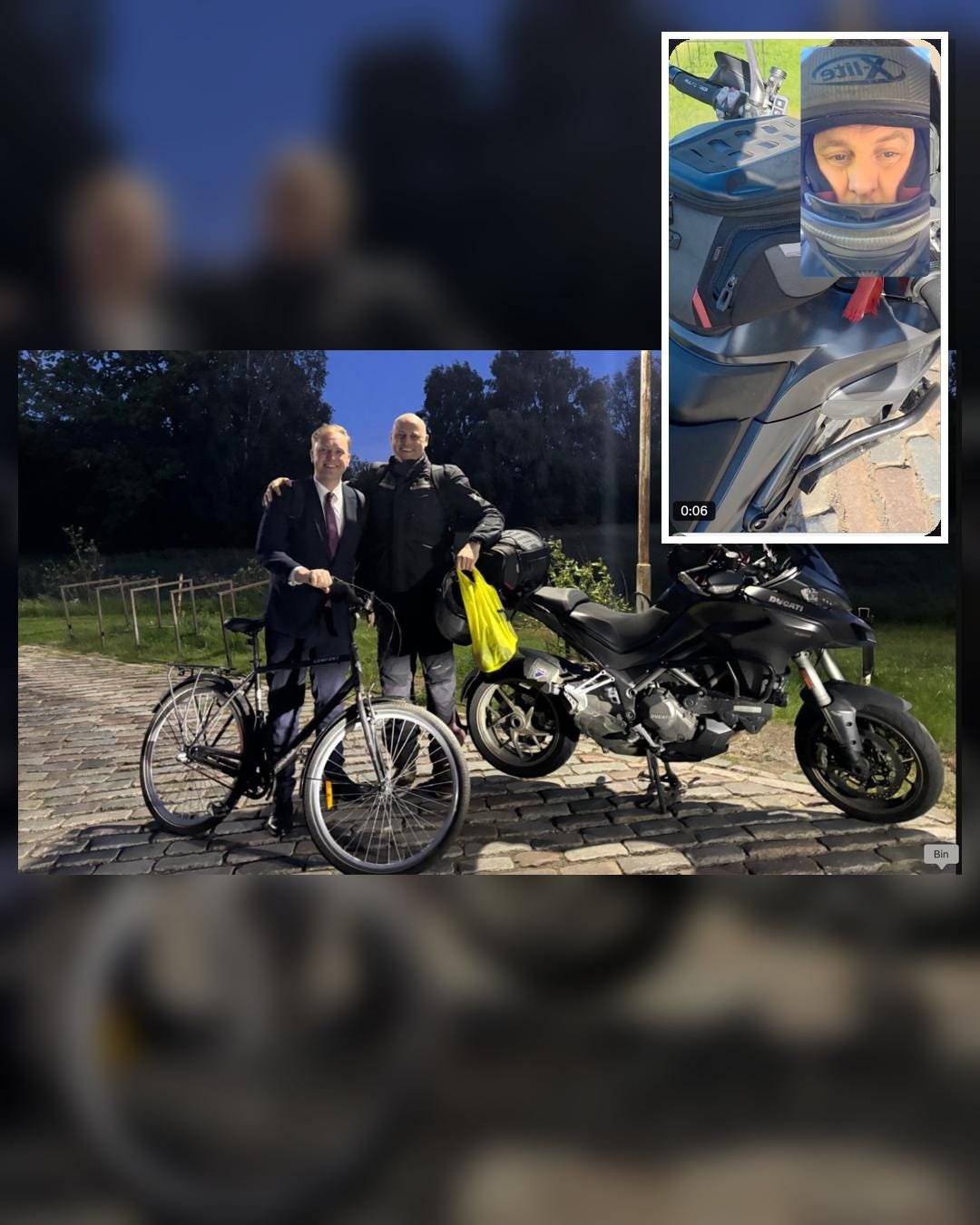
“The last metres of private freedom,’ Andris Kulbergs, Latvia’s new prime minister, wrote on social media on Thursday morning before taking his motorcycle to work. “But what can you do? The state comes first.”
Twelve days ago, the country’s president Edgars Rinkēvičs had asked Kulbergs — a petrolhead and outspoken MP from the opposition’s United List — to form a government after Evika Siliņa (New Unity) blew up hers in a major political miscalculation.
Two days ago, Kulbergs turned 47.
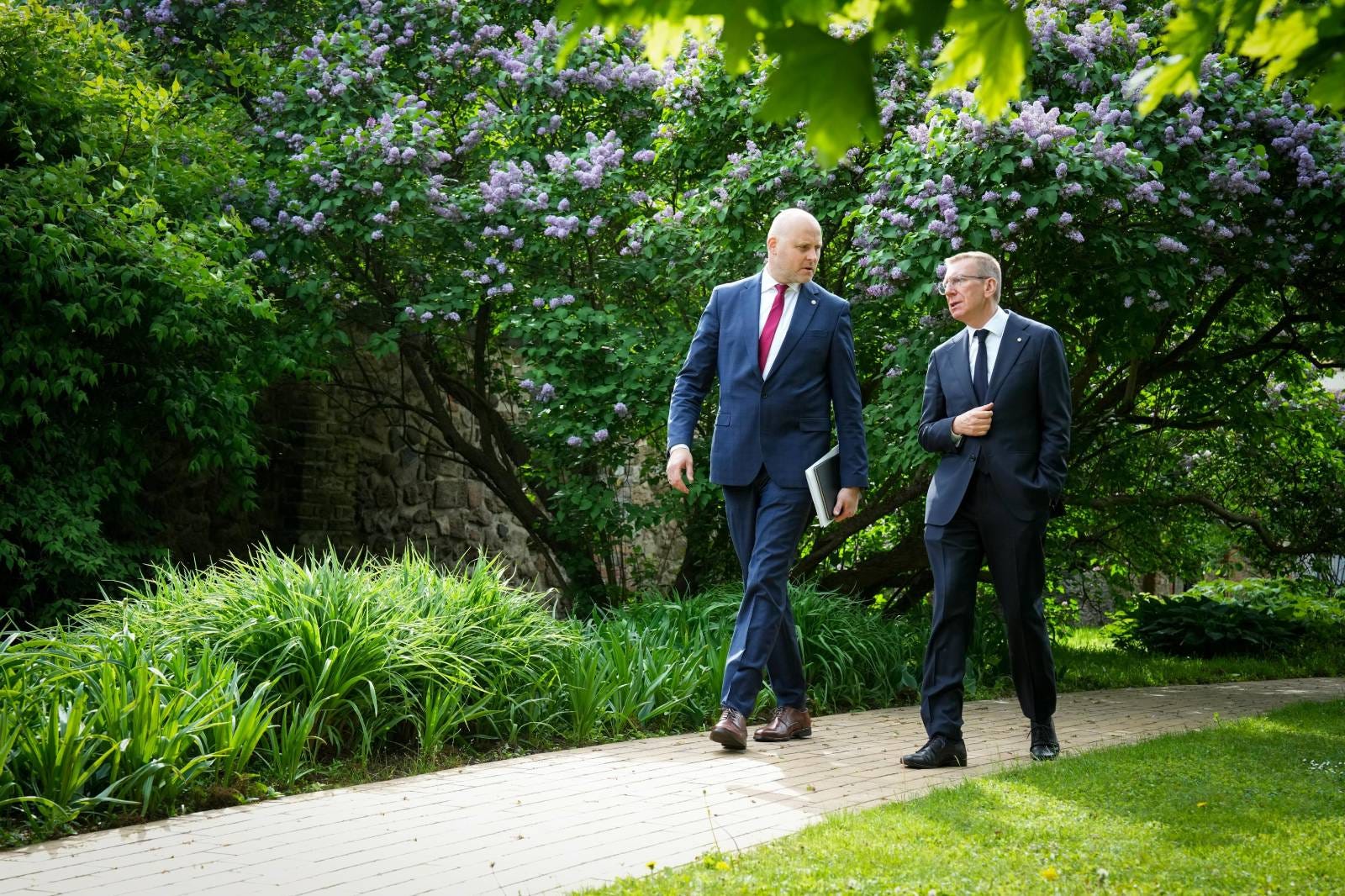
Many observers agree that in these weeks he has shown remarkable political growth.
Kulbergs — advised by veteran ex-PM Māris Kučinskis who became his finance minister, and a deft political intriguer Edvards Smiltēns who is now justice minister — managed to bring four centrist and conservative parties into the coalition. Some of those had split from one another only shortly before the last election in 2022.
Due to an ultimatum from the National Alliance (NA), the Progressives were pushed into the opposition alongside populist and pro-Russian parties. The new government commands a comfortable 66-seat majority in the 100-member Saeima.
The nationalists are the biggest winners of the reshuffle — apart from the United List, which now has either the perfect launching pad for the October elections if Kulberg’s cabinet performs or to implode spectacularly if it does not. NA is the smallest fraction in the new cabinet (12 MPs vs New Unity’s 25), but has the same number of ministers.
Not only that. The unwritten rule — in place for roughly 15 years — that NA should not control either the interior or education ministries because of fears of their radical approach has now fallen.
The new interior minister, Jānis Dombrava, entered parliament in 2010 at the age of 22 as its youngest member. He has remained there ever since, though never run for a minister.
Dombrava’s favourite subjects are threats from migration, multiculturalism and Russia — and, by extension, Latvia’s Russian-speaking minority. He is not famous for fondness of human rights, meaning Latvian politics in this field is now likely to lurch sharply to the right.
NA is also pushing to end public broadcasting in Russian (radio was closed in 2026, and only online news remains). It wants the decision by the end of term of this parliament and now has a majority for it.
“One can not screw up too much in such a short period, but can lay a very good base for the future,” someone schooled in Latvian politics for years remarked to me this week.
Kulbergs managed to persuade New Unity to join his government, despite the fact that it lost four ministerial portfolios. By giving it the coveted post of foreign minister (kept by Baiba Braže), he prevented Siliņa from joining his government as defence minister which she apparently wanted. Defence will be run by ex-military, another newbie Raivis Melnis (one third of Kulberg’s cabinet has no government experience, including him).
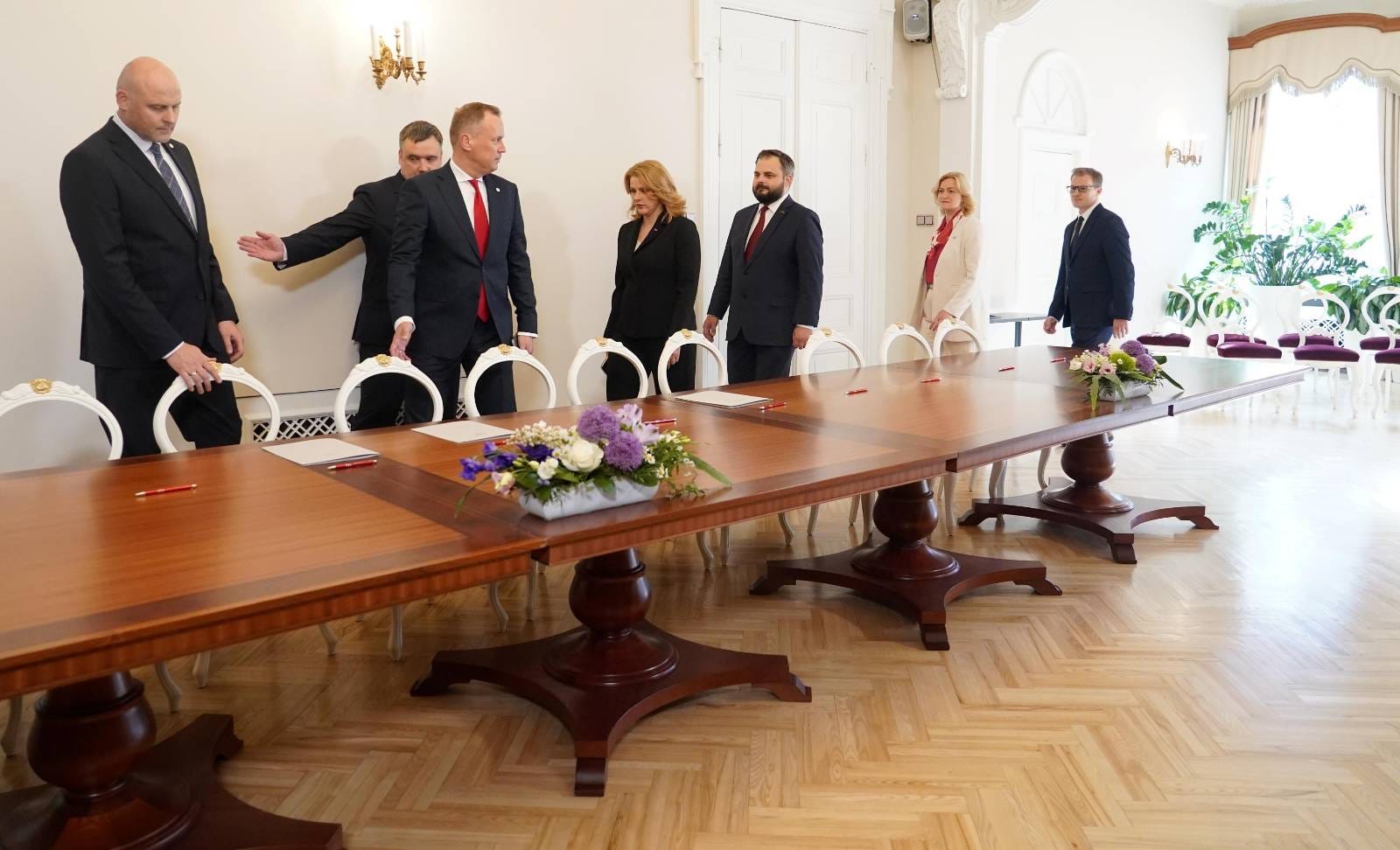
A great deal of soul-searching now awaits New Unity, as Siliņa’s fiasco has left the party without an obvious candidate for PM four months before elections. Its previously prominent figures are now in Brussels, and the party has failed to cultivate convincing new ones.
The fourth partner - ZZS - is crippled by the criminal case against its former agriculture minister, thus it was not asking much. It ended up with one ministry fewer than before, retaining responsibility for the economy, welfare and agriculture. ZZS agreed to count the speaker of parliament as its fourth senior post.
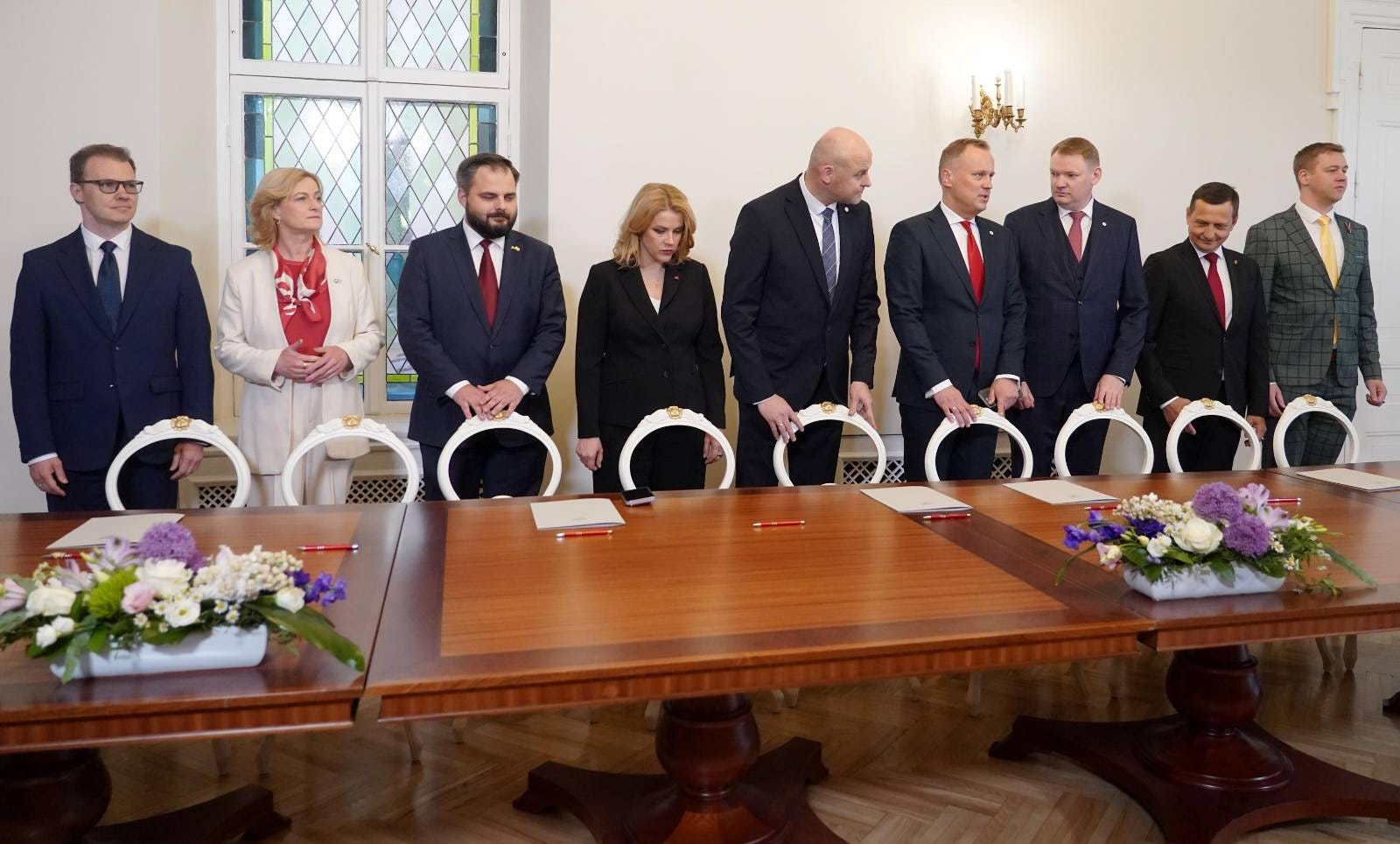
So, where does the 4x4 come from?
The coalition has four parties; each has four ministers; it will work for four months and it has four priorities. Security and defence; spending cuts (Kulbergs has promised to find extra 850 millions in budget not to raise taxes); fight against corruption and cartels; and election integrity.
At the moment, there is a remarkable amount of goodwill towards Kulberg’s government, both in parliament and across society. He is trying to control his famous temper and, in return, the media are treating him rather softly.
However, eyebrows were raised when he left the Agriculture Ministry to ZZS — despite the shadow of a criminal case looming over it. Some personalities in ministerial offices come from a shady past. Kulbergs wanted to write his government work plan on one page as its time would be short. The wishes of four partners stretched it over four. Difficult decisions are looming in summer: whether to save the national airline and, if yes, where to get money.
And although the debate dragged on for four hours, everyone knew the government would be in place by 9pm. Why? Because Latvia was playing Norway in the Ice Hockey World Championship quarter-finals. The new prime minister is a fan.
If you wondered, Latvia was unfortunately beaten by Norway in the ice hockey world championships on Thursday evening. Let’s see if Kulbergs’ new government will do better.
Meanwhile, we have been busy bringing you fresh, original reporting from the Baltic countries—from tracking drone incidents and Russia’s escalating hybrid threats to breaking down the Latvian governmental crisis. This is a work we love, but one that often requires my colleagues and me to work through late evenings and weekends.
If you value our reporting, please consider upgrading to a paid subscription. Your support directly enables us to dedicate the time and resources needed to bring you the best scoops and deepest insights on the Baltic Flank.
Thank you and until next time!
Holger